
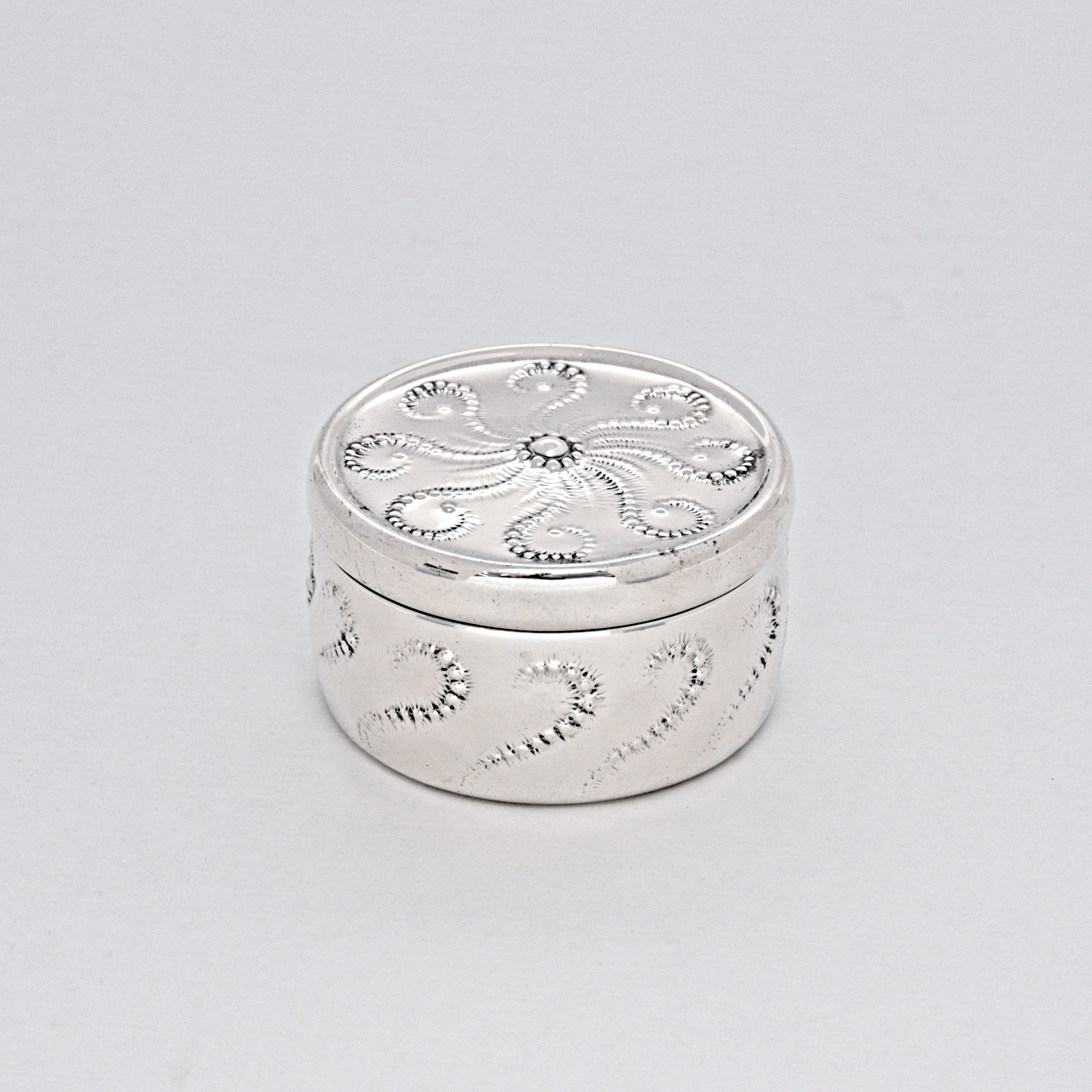
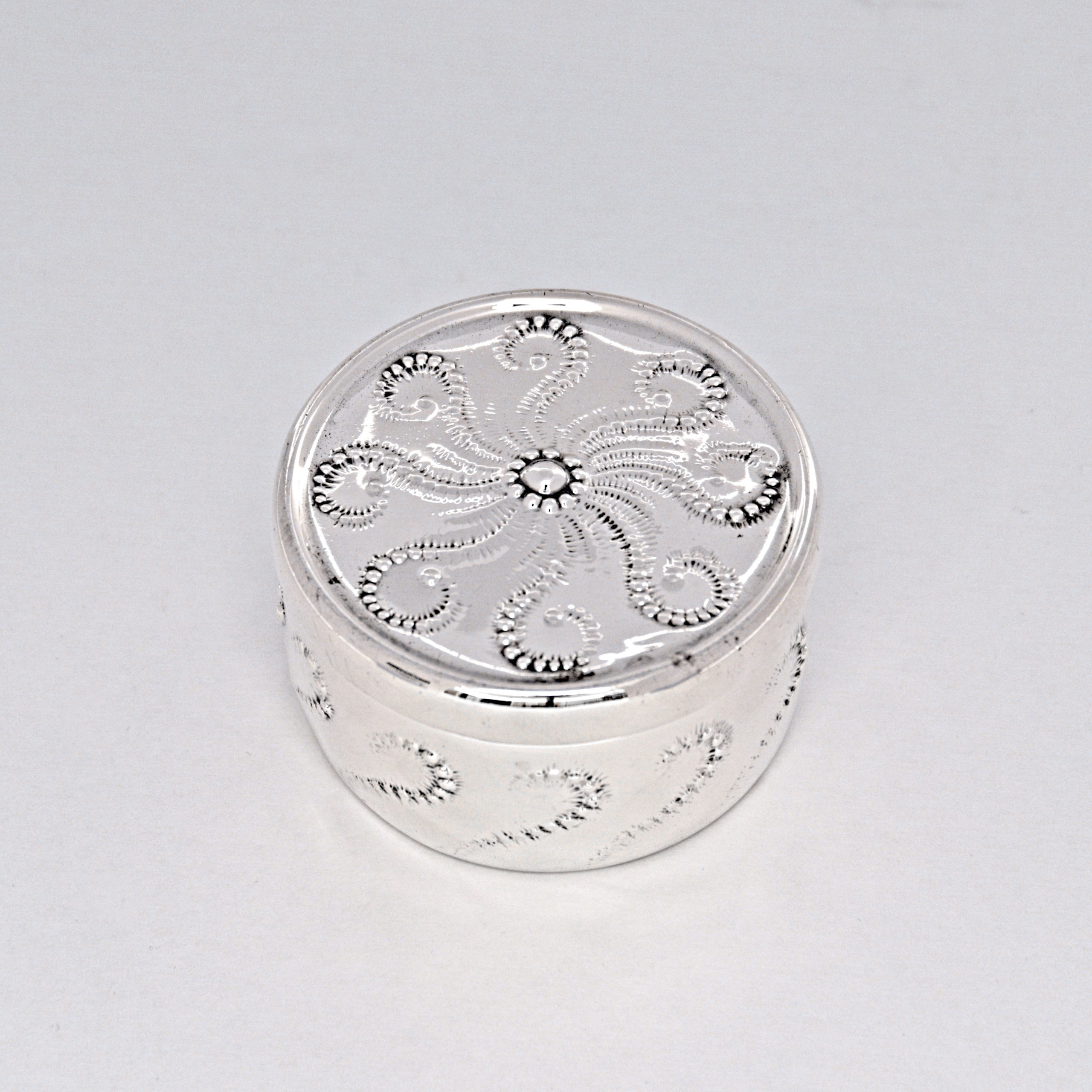
Aesthetic Movement Silver Box, c. 1883
$2,200
New York, by Whiting Mfg. Co.
Diameter: 2 ¾ in.; height: 1 ½ in.
Artistic creativity often shows most clearly during transitional moments - times that come in between major trends and movements. This box is something of a transition within a transition.
Following Commodore Perry's famous 1853 trip to Japan, Western artists and designers gained access to the rich decorative arts traditions of that previously isolated country. By the 1870s, Tiffany's design director, Edward C. Moore, was pioneering a new wave of Japanese-inspired metalwork, incorporating mixed alloys, exploratory forms, and organic motifs.
In 1879, Moore poached the young designer Charles Osborne away from his former employer, Whiting & Co. Osborne was responsible for some of Tiffany's most creative designs during the subsequent decade. Breaking from what had become Moore's established design vocabulary, Osborne created flowing, spiraling, twisting pieces, building on Japanese themes and evocative of Hokusai's "Great Wave". The embossed "pearl" decoration on this box is an instantly recognizable Osborne touch.
Osborne returned to Whiting in 1881(though he continued designing for Tiffany freelance), bringing his signature style with him. This box lives between the earlier era of strong Japanese influence and the subsequent, organic, Art Nouveau style that would be fully realized in the 1890s.
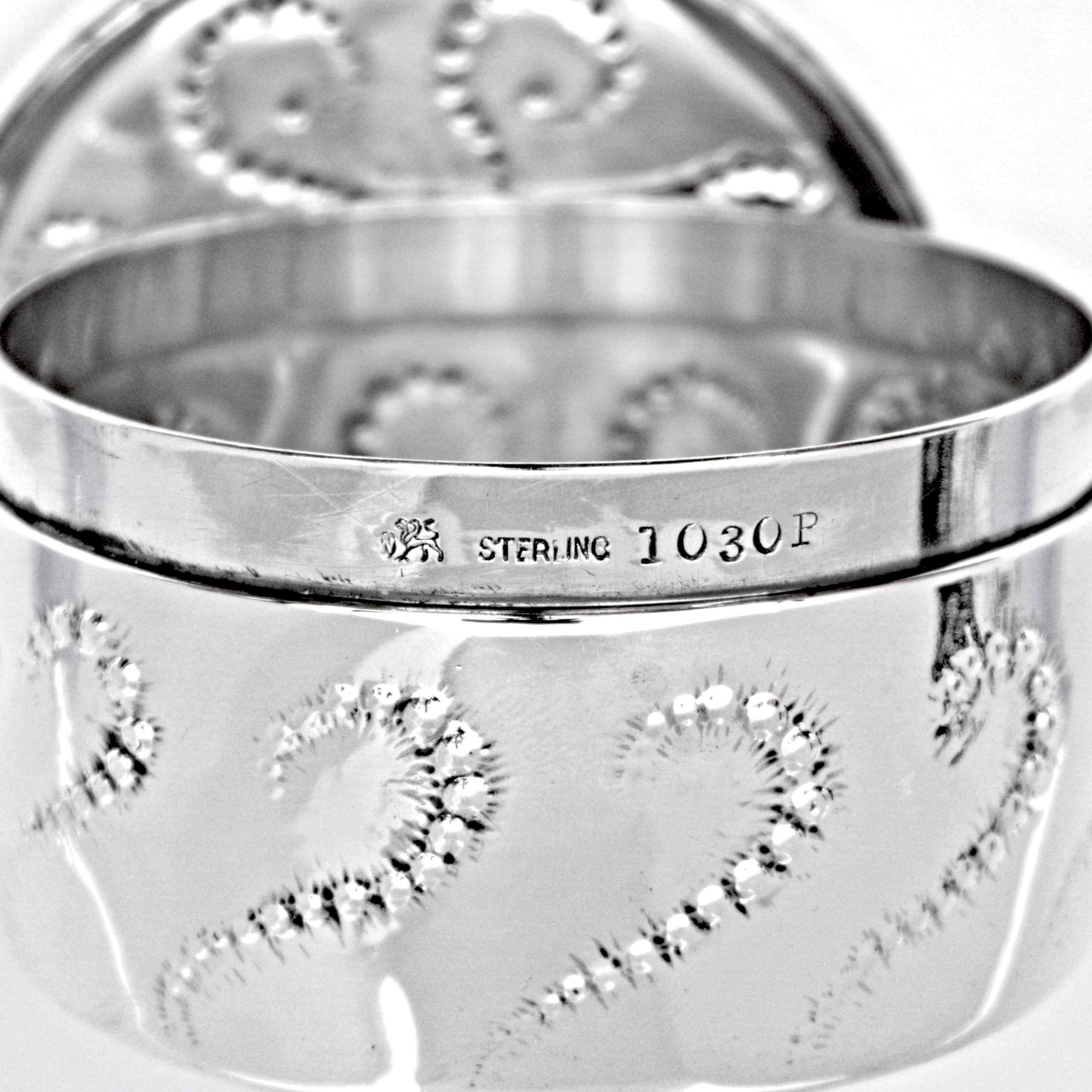
Stamped with Whiting's lion mark, design number 1030 (indicating manufacture in or around 1883), and letter P, delineating the decorative pattern.
Artistic creativity often shows most clearly during transitional moments – times that come in between major trends and movements. This box is something of a transition within a transition.
Following Commodore Perry’s famous 1853 trip to Japan, Western artists and designers gained access to the rich decorative arts traditions of that previously isolated country. By the 1870s, Tiffany’s design director, Edward C. Moore, was pioneering a new wave of Japanese-inspired metalwork, incorporating mixed alloys, exploratory forms, and organic motifs.
In 1879, Moore poached the young designer Charles Osborne away from his former employer, Whiting & Co. Osborne was responsible for some of Tiffany’s most creative designs during the subsequent decade. Breaking from what had become Moore’s established design vocabulary, Osborne created flowing, spiraling, twisting pieces, building on Japanese themes and evocative of Hokusai’s “Great Wave”. The embossed “pearl” decoration on this box is an instantly recognizable Osborne touch.
Osborne returned to Whiting in 1881(though he continued designing for Tiffany freelance), bringing his signature style with him. This box lives between the earlier era of strong Japanese influence and the subsequent, organic, Art Nouveau style that would be fully realized in the 1890s.
Stamped with Whiting’s lion mark, design number 1030 (indicating manufacture in or around 1883), and letter P, delineating the decorative pattern.
-
 Set of Five Medieval Corbels, c. 1450-1500
Discover the Object →
Set of Five Medieval Corbels, c. 1450-1500
Discover the Object →
-
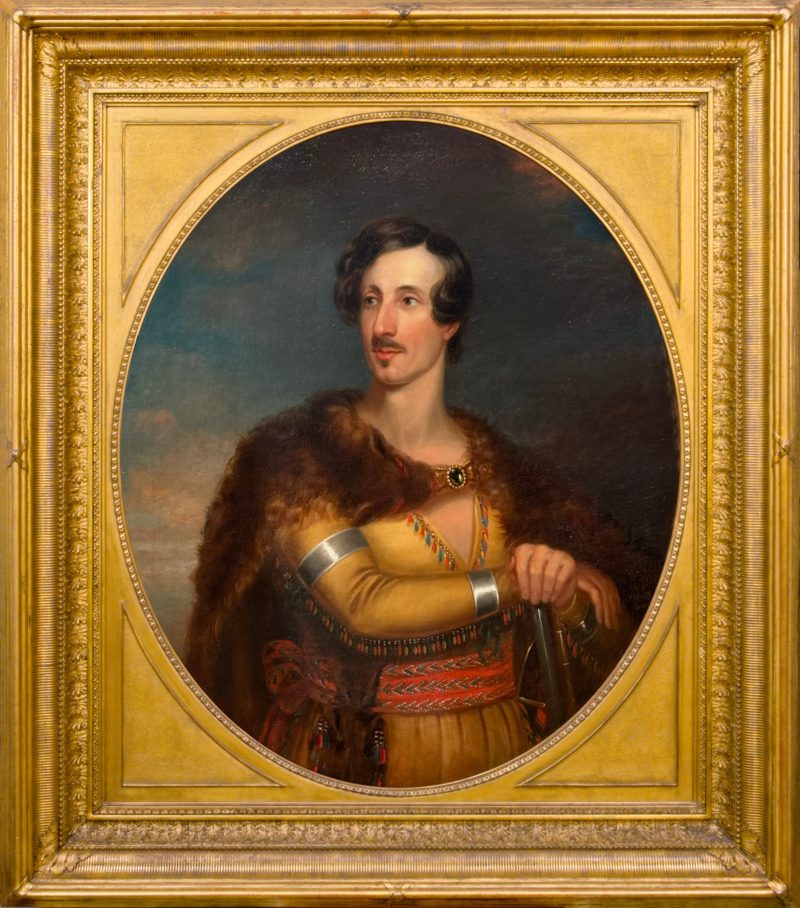 Portrait of Edward Seguin, 1840
Discover the Object →
Portrait of Edward Seguin, 1840
Discover the Object →
-
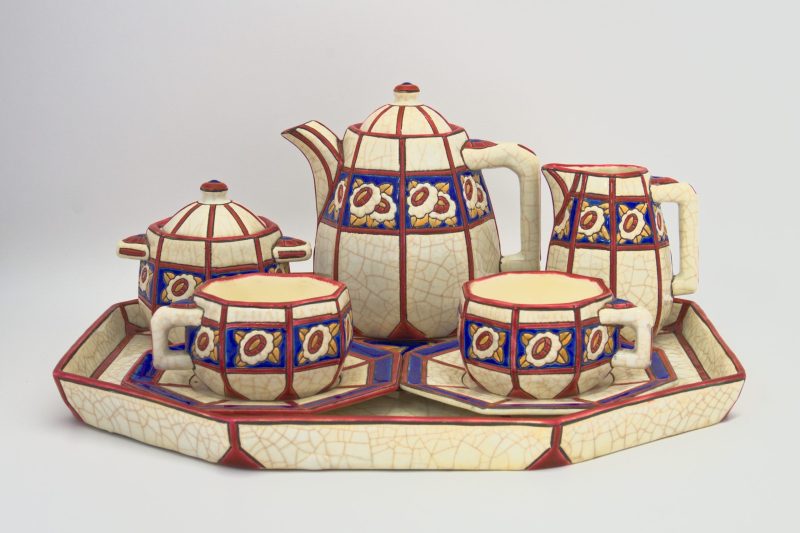 French Ceramic Tea Service, c. 1920
Discover the Object →
French Ceramic Tea Service, c. 1920
Discover the Object →
Reviews
There are no reviews yet.