
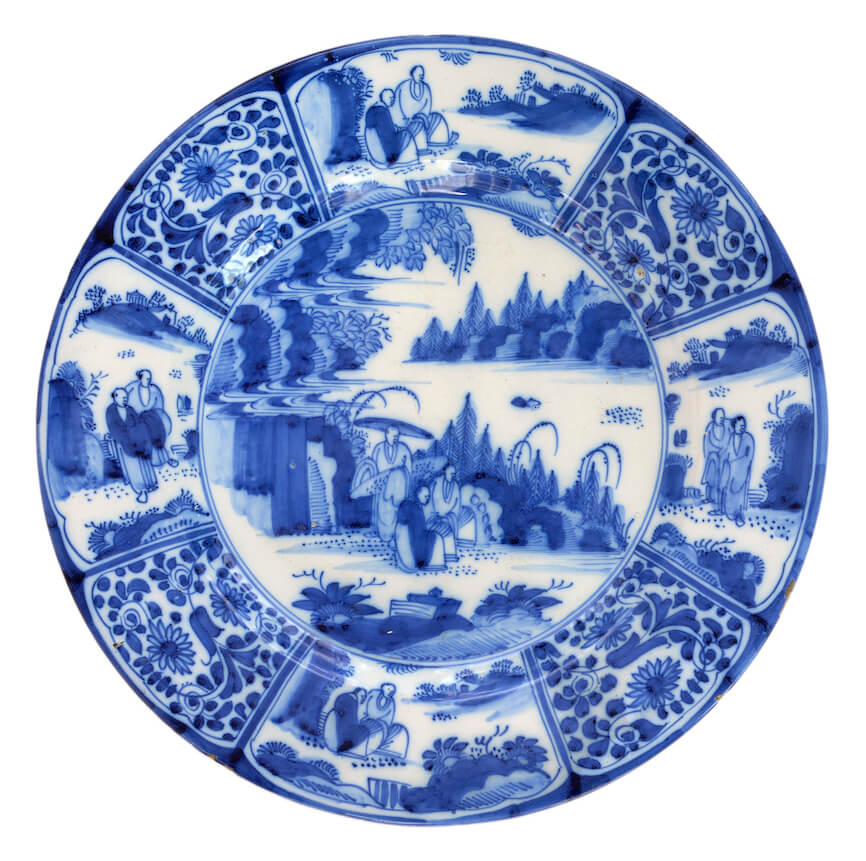
Delftware Charger, c. 1670
Price on request
Delft, Netherlands
Diameter: 15 ¼ in.
This exquisite charger represents the pinnacle of Dutch ceramic artistry during a period when European demand for exotic Eastern wares reached a fever pitch. As the supply of genuine Chinese porcelain faltered, Delft potters rose to the challenge, creating "Hollands Porselein"—a tin-glazed earthenware that captured the aesthetic of the Orient while remaining distinctly European in its execution and material.
The exportation of Chinese porcelain cased for around forty years following the 1644 collapse of the Ming Dynasty. This opened up a great opportunity for Delft potters, whose faithful reproductions of Chinese porcelain wares had a ready market. This charger is inspired by both Chinese Wanli Kraak dishes and the so-called transitional wares. Kraakporselein (Kraak-porcelain) were the first pieces of Chinese porcelain to reach the Netherlands. The name Kraak is likely derived from the Portuguese ships called caraccas on which the Chinese wares were shipped to the Netherlands.
The paneled border on this Delft charger draws its inspiration from Chinese Kraakwares. However, the decoration in both the panels and the convex of the charger bear an even closer comparison to the "transitional" style. Chinese transitional wares were no longer divided into panels, but rather the entire area was covered with a continuous scene, often consisting of landscapes with animals or figures either conversing or in a moment of spirited action. Delftware painters adapted this scenery for their own decoration using figural subjects, often in a landscape of rocks and pine trees. The present charger is a perfect example of Chinoiserie, decorated more freely and showing an unmistakable Delft interpretation of Chinese motifs. This style originated in the seventeenth century and quickly became a dominant fashion throughout Europe.
While many later examples of Delftware evolved into increasingly floral or folk-inspired patterns, this 1670 charger remains a sophisticated artifact of the era's global maritime trade and the birth of a pan-European fascination with the East.
This exquisite charger represents the pinnacle of Dutch ceramic artistry during a period when European demand for exotic Eastern wares reached a fever pitch. As the supply of genuine Chinese porcelain faltered, Delft potters rose to the challenge, creating “Hollands Porselein”—a tin-glazed earthenware that captured the aesthetic of the Orient while remaining distinctly European in its execution and material.
The exportation of Chinese porcelain cased for around forty years following the 1644 collapse of the Ming Dynasty. This opened up a great opportunity for Delft potters, whose faithful reproductions of Chinese porcelain wares had a ready market. This charger is inspired by both Chinese Wanli Kraak dishes and the so-called transitional wares. Kraakporselein (Kraak-porcelain) were the first pieces of Chinese porcelain to reach the Netherlands. The name Kraak is likely derived from the Portuguese ships called caraccas on which the Chinese wares were shipped to the Netherlands.
The paneled border on this Delft charger draws its inspiration from Chinese Kraakwares. However, the decoration in both the panels and the convex of the charger bear an even closer comparison to the “transitional” style. Chinese transitional wares were no longer divided into panels, but rather the entire area was covered with a continuous scene, often consisting of landscapes with animals or figures either conversing or in a moment of spirited action. Delftware painters adapted this scenery for their own decoration using figural subjects, often in a landscape of rocks and pine trees. The present charger is a perfect example of Chinoiserie, decorated more freely and showing an unmistakable Delft interpretation of Chinese motifs. This style originated in the seventeenth century and quickly became a dominant fashion throughout Europe.
While many later examples of Delftware evolved into increasingly floral or folk-inspired patterns, this 1670 charger remains a sophisticated artifact of the era’s global maritime trade and the birth of a pan-European fascination with the East.
-
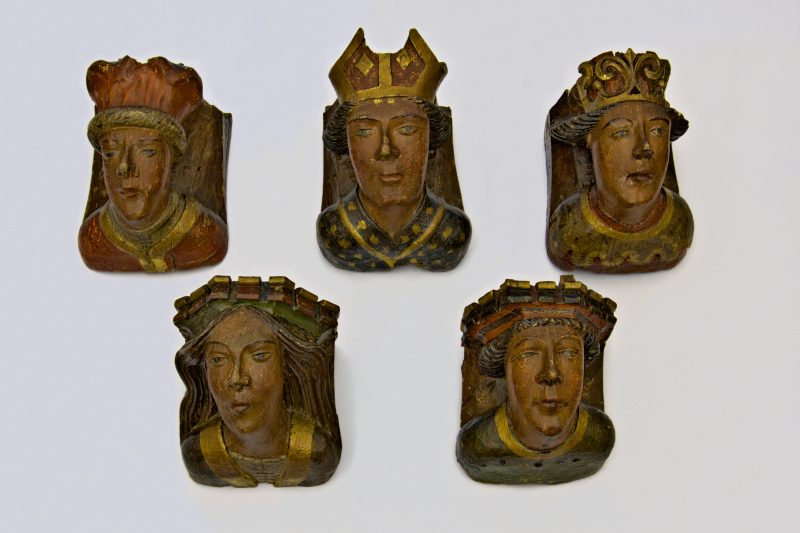 Set of Five Medieval Corbels, c. 1450-1500
Discover the Object →
Set of Five Medieval Corbels, c. 1450-1500
Discover the Object →
-
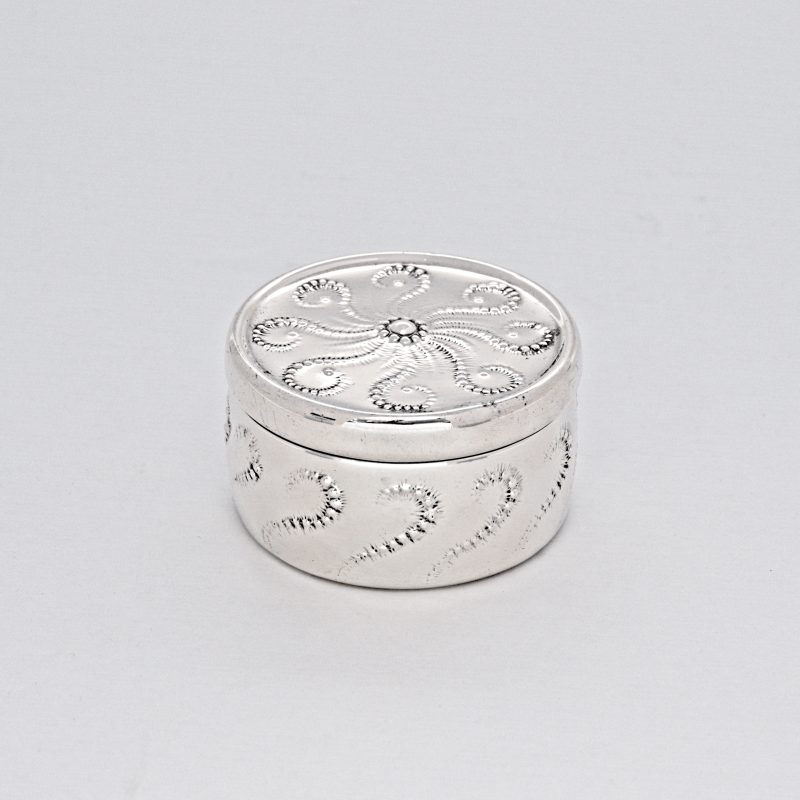 Aesthetic Movement Silver Box, c. 1883
Discover the Object →
Aesthetic Movement Silver Box, c. 1883
Discover the Object →
-
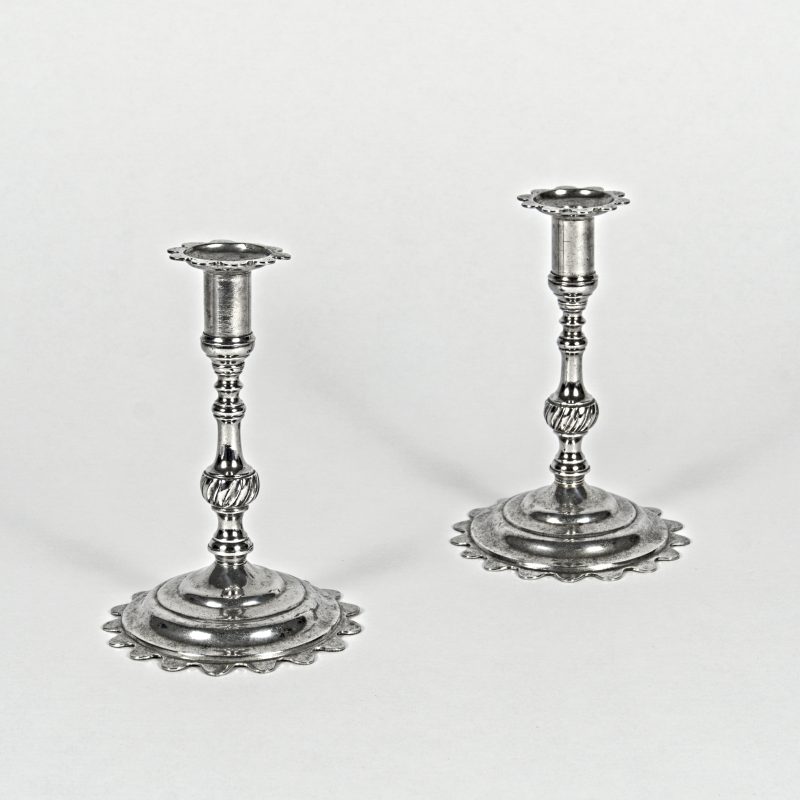 Pair of Steel Tapersticks, c. 1780
Discover the Object →
Pair of Steel Tapersticks, c. 1780
Discover the Object →
Reviews
There are no reviews yet.