
Set of Five Medieval Corbels, c. 1450-1500
$42,000
England
Wood with polychrome
Height of each approximately 9 in.
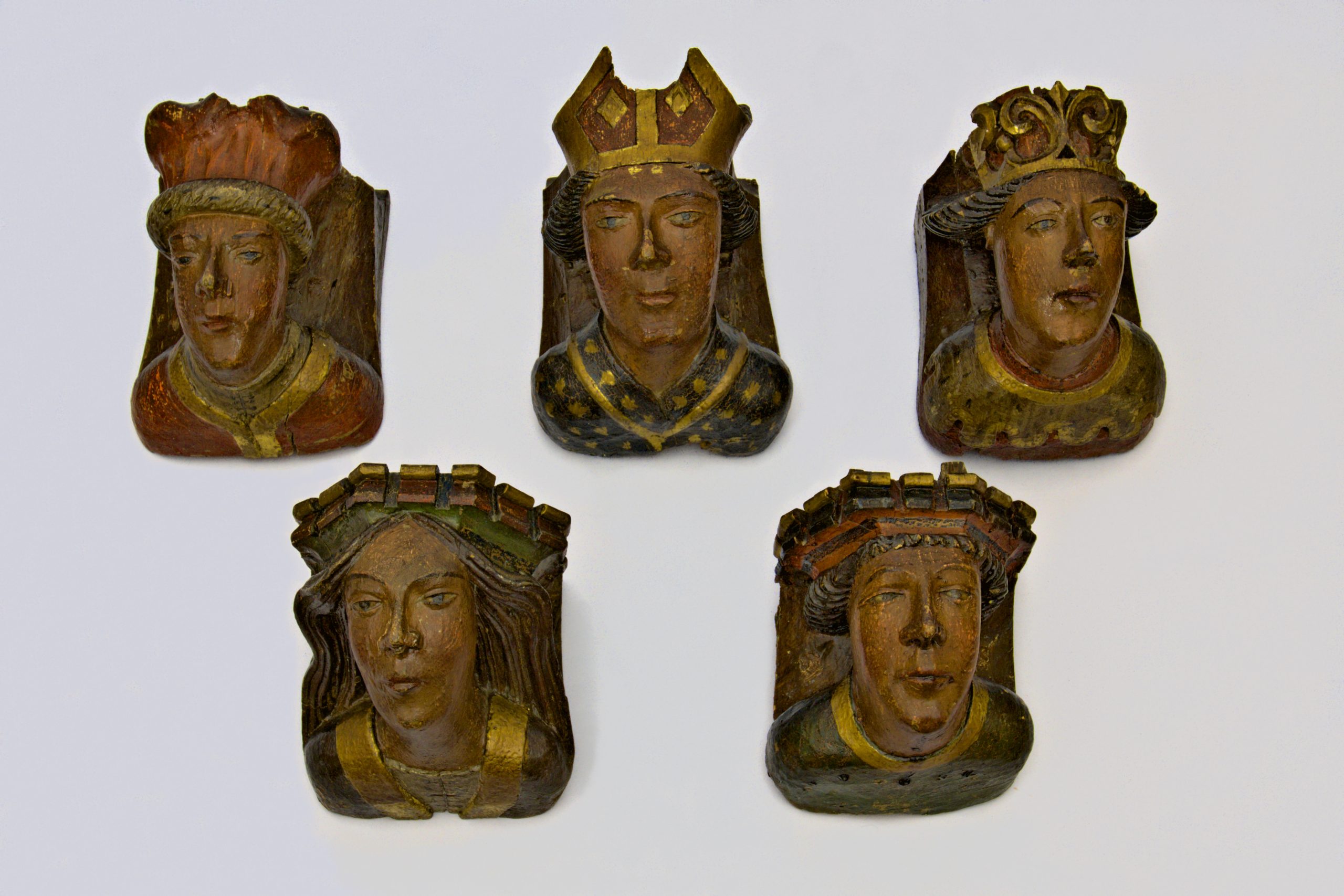
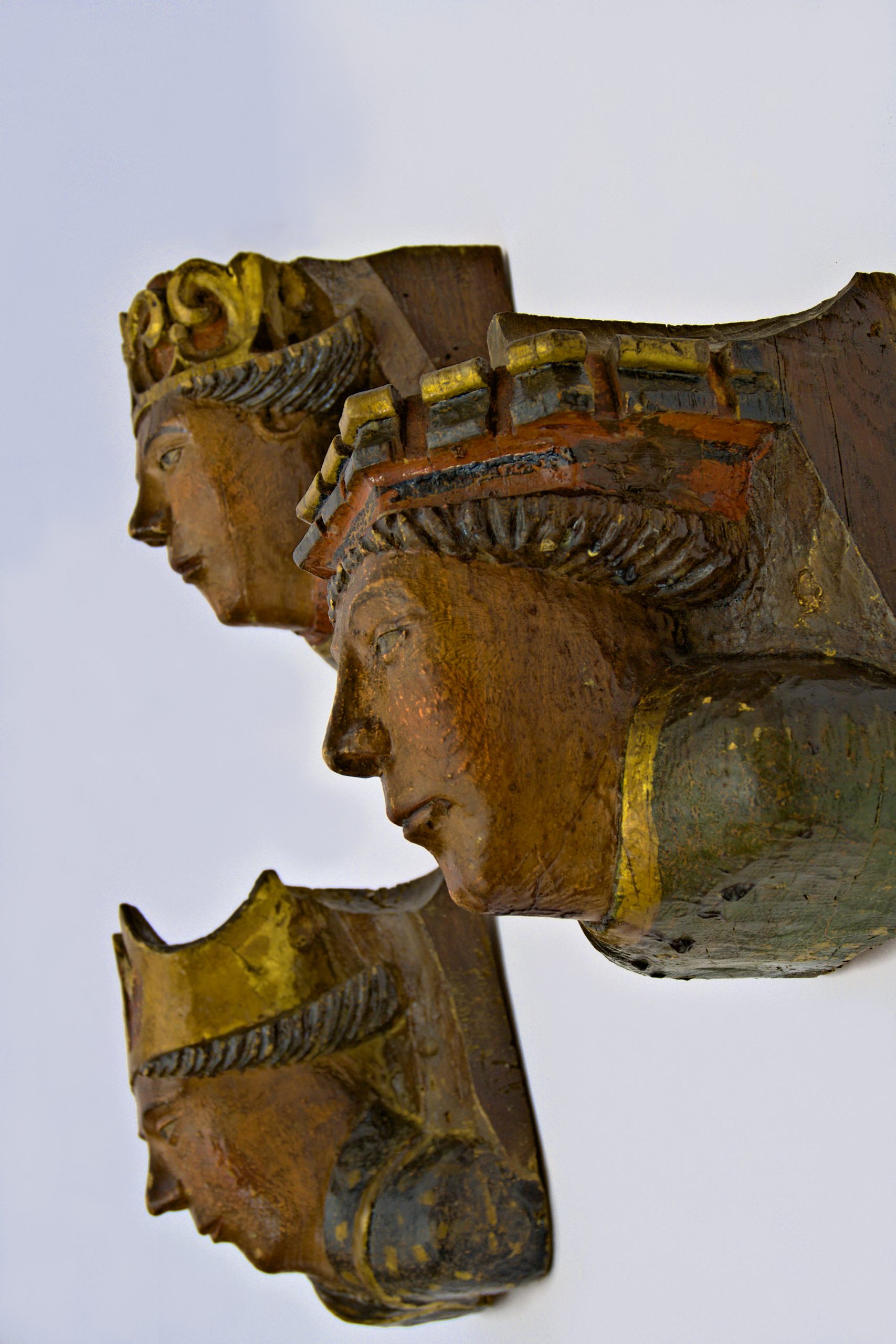
The corbels are deeply carved by the same hand, in the form of bust-length depictions of figures from late medieval society. Clockwise from top left:
- Nobleman wearing a high-topped bonnet with ermine fur trim
- Bishop clad in a chasuble and wearing a mitre
- Youthful king or prince bearing an elaborate fleuron-tipped crown
- Young man (possibly a peasant) wearing a simple tunic, set below a castellated base
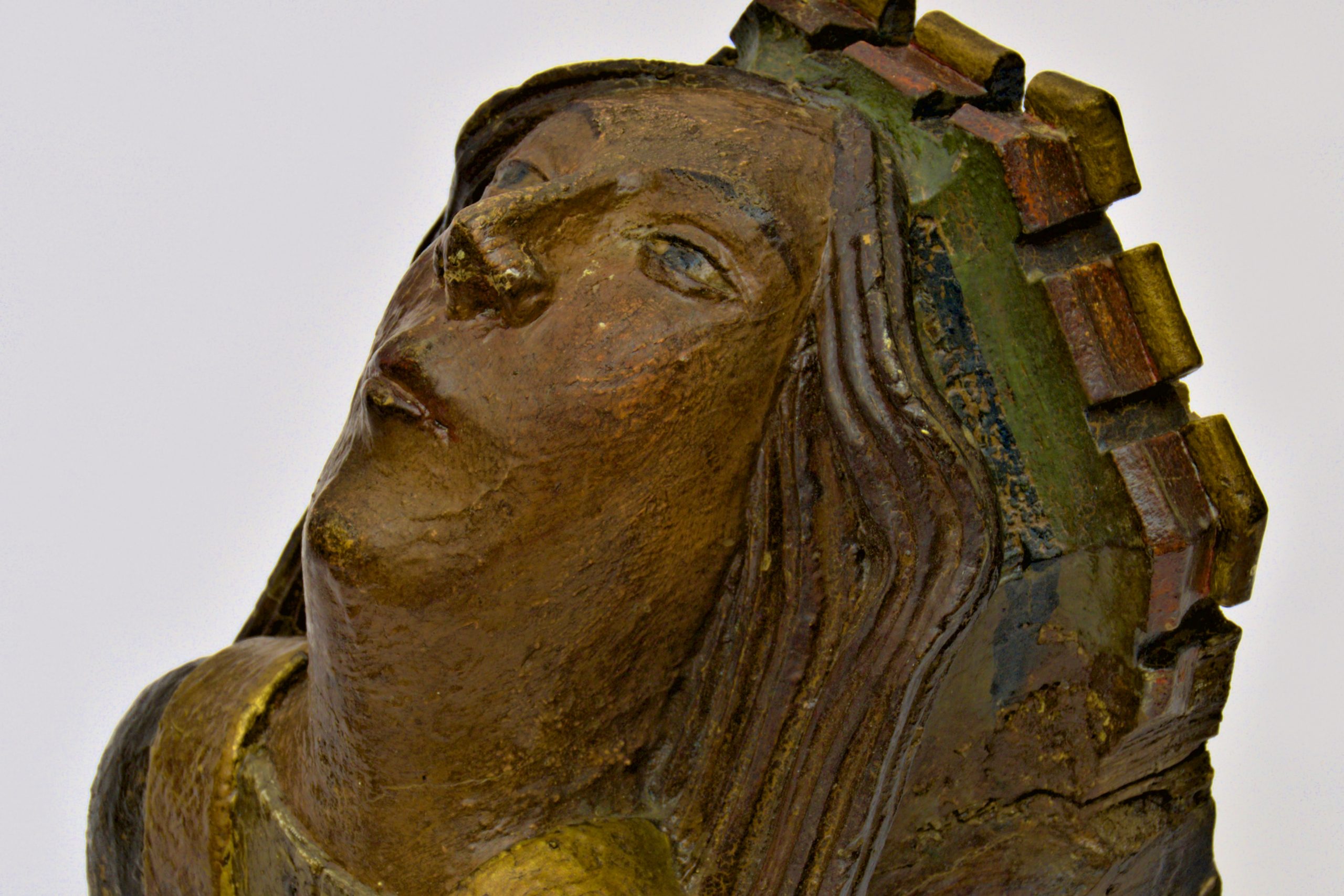
- Woman with long hair and dressed in a gown and kirtle, set below a castellated base
The corbels once formed part of an elaborate timbered roof structure in a domestic or secular public building. Rather than depicting historic personages, the busts are likely allegorical, representing archetypes of the social hierarchy in late medieval Britain. Such archetypical characters recur as tropes throughout medieval art, drama, and literature (an example being the Pilgrims from Chaucer's The Canterbury Tales). Such generalized depictions of peasants, yeoman, clerics, and kings are also common on medieval misericords and the margins of illuminated manuscripts, both of which often depict scenes from everyday life. Similar allegorical depictions are known from carved wooden corbels originally part of the renovations undertaken at Halnaker House (Near Chichester, West Sussex) by Thomas West, 9th Baron de la Warr (c.1475-1554), by 1526 (James Rouse, The Beauties and Antiquities of the County of Sussex, 1825).
The high-cheekboned, youthful and clean-shaven facial types relate to three carved oak corbels depicting angels bearing musical instruments in the collection of the Victoria & Albert Museum (W.21., W.22., and W.23.1911). These angels, which share similar castellated bases with two of the corbels, are said to come from the 15th-century hammerbeam roof of the Church of St. Mary, Bury St. Edmunds. One can thus infer that the carvers responsible for the secular corbels also likely worked in religious foundations, including on the construction of late medieval angel roofs.
The corbels survive with extensive coverage of early polychrome, including a glazed yellow false gilding (probably orpiment) characteristic of late medieval workmanship. Details of the polychrome aid in the identification of the allegorized types depicted, including the triangular collar of the bishop's chasuble and the ermine trim on the bonnet of the nobleman.
Provenance:
Jack Robertson Notman (1928-2009), Glasgow architect, set designer, and preservationist. Winner of the Glasgow Institute of Architects' Awards in 1980, 1984, and 1990, and the Civic Trust Awards in 1981 and 1990 for work on Henry Wood Hall, the Clydesdale Bank Headquarters, and Hutchesons' Hall. Notman's career spanned architecture, renovation, theatre, opera, television, and film.
Notman served as art director for the 1978 J. Arthur Rank adaptation of The Thirty-Nine Steps, starring Robert Powell. He lectured at the Glasgow School of Art and the University of Strathclyde and was a Trustee of the National Galleries of Scotland.
The corbels are deeply carved by the same hand, in the form of bust-length depictions of figures from late medieval society. Clockwise from top left:
- Nobleman wearing a high-topped bonnet with ermine fur trim
- Bishop clad in a chasuble and wearing a mitre
- Youthful king or prince bearing an elaborate fleuron-tipped crown
- Young man (possibly a peasant) wearing a simple tunic, set below a castellated base
- Woman with long hair and dressed in a gown and kirtle, set below a castellated base
The corbels once formed part of an elaborate timbered roof structure in a domestic or secular public building. Rather than depicting historic personages, the busts are likely allegorical, representing archetypes of the social hierarchy in late medieval Britain. Such archetypical characters recur as tropes throughout medieval art, drama, and literature (an example being the Pilgrims from Chaucer’s The Canterbury Tales). Such generalized depictions of peasants, yeoman, clerics, and kings are also common on medieval misericords and the margins of illuminated manuscripts, both of which often depict scenes from everyday life. Similar allegorical depictions are known from carved wooden corbels originally part of the renovations undertaken at Halnaker House (Near Chichester, West Sussex) by Thomas West, 9th Baron de la Warr (c.1475-1554), by 1526 (James Rouse, The Beauties and Antiquities of the County of Sussex, 1825).
The high-cheekboned, youthful and clean-shaven facial types relate to three carved oak corbels depicting angels bearing musical instruments in the collection of the Victoria & Albert Museum (W.21., W.22., and W.23.1911). These angels, which share similar castellated bases with two of the corbels, are said to come from the 15th-century hammerbeam roof of the Church of St. Mary, Bury St. Edmunds. One can thus infer that the carvers responsible for the secular corbels also likely worked in religious foundations, including on the construction of late medieval angel roofs.
The corbels survive with extensive coverage of early polychrome, including a glazed yellow false gilding (probably orpiment) characteristic of late medieval workmanship. Details of the polychrome aid in the identification of the allegorized types depicted, including the triangular collar of the bishop’s chasuble and the ermine trim on the bonnet of the nobleman.
Provenance:
Jack Robertson Notman (1928-2009), Glasgow architect, set designer, and preservationist. Winner of the Glasgow Institute of Architects’ Awards in 1980, 1984, and 1990, and the Civic Trust Awards in 1981 and 1990 for work on Henry Wood Hall, the Clydesdale Bank Headquarters, and Hutchesons’ Hall. Notman’s career spanned architecture, renovation, theatre, opera, television, and film.
Notman served as art director for the 1978 J. Arthur Rank adaptation of The Thirty-Nine Steps, starring Robert Powell. He lectured at the Glasgow School of Art and the University of Strathclyde and was a Trustee of the National Galleries of Scotland.
-
 Silver Cream Pitcher, c. 1800
Discover the Object →
Silver Cream Pitcher, c. 1800
Discover the Object →
-
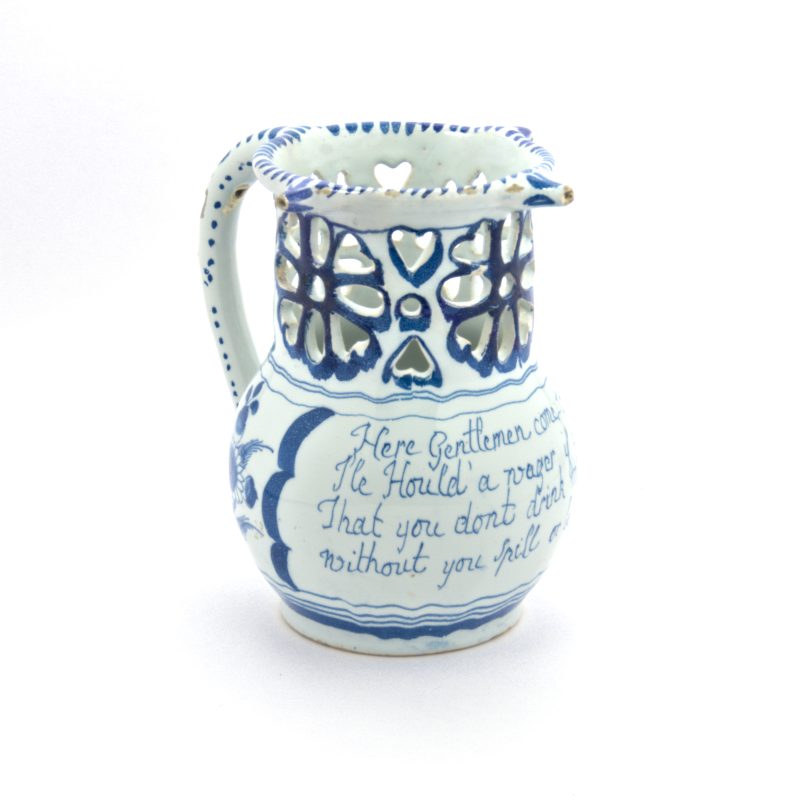 Puzzle Jug, c. 1760
Discover the Object →
Puzzle Jug, c. 1760
Discover the Object →
-
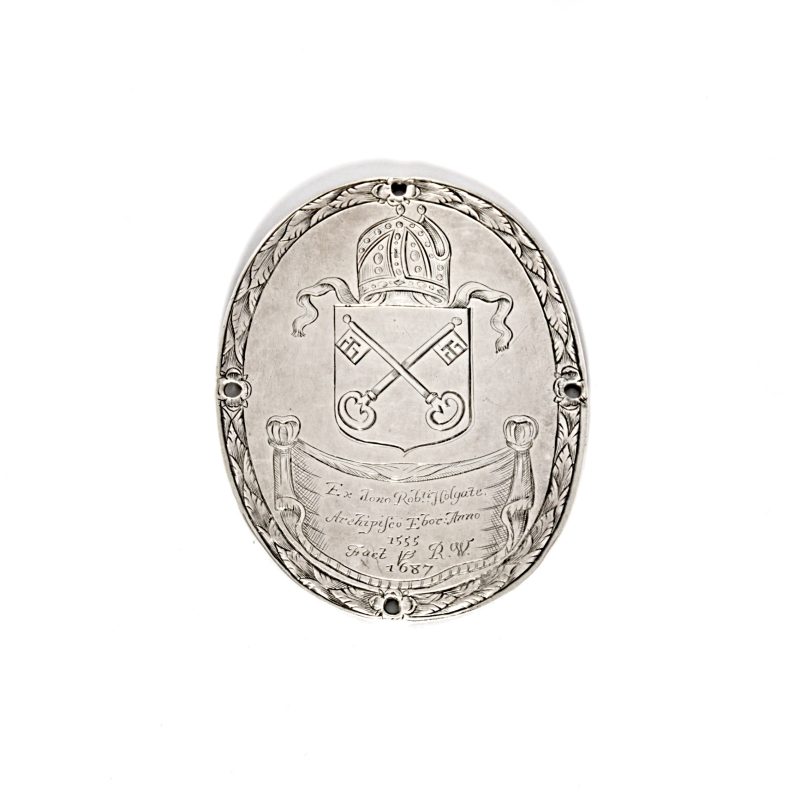 Silver Alms Badge, 1687
Discover the Object →
Silver Alms Badge, 1687
Discover the Object →
Reviews
There are no reviews yet.